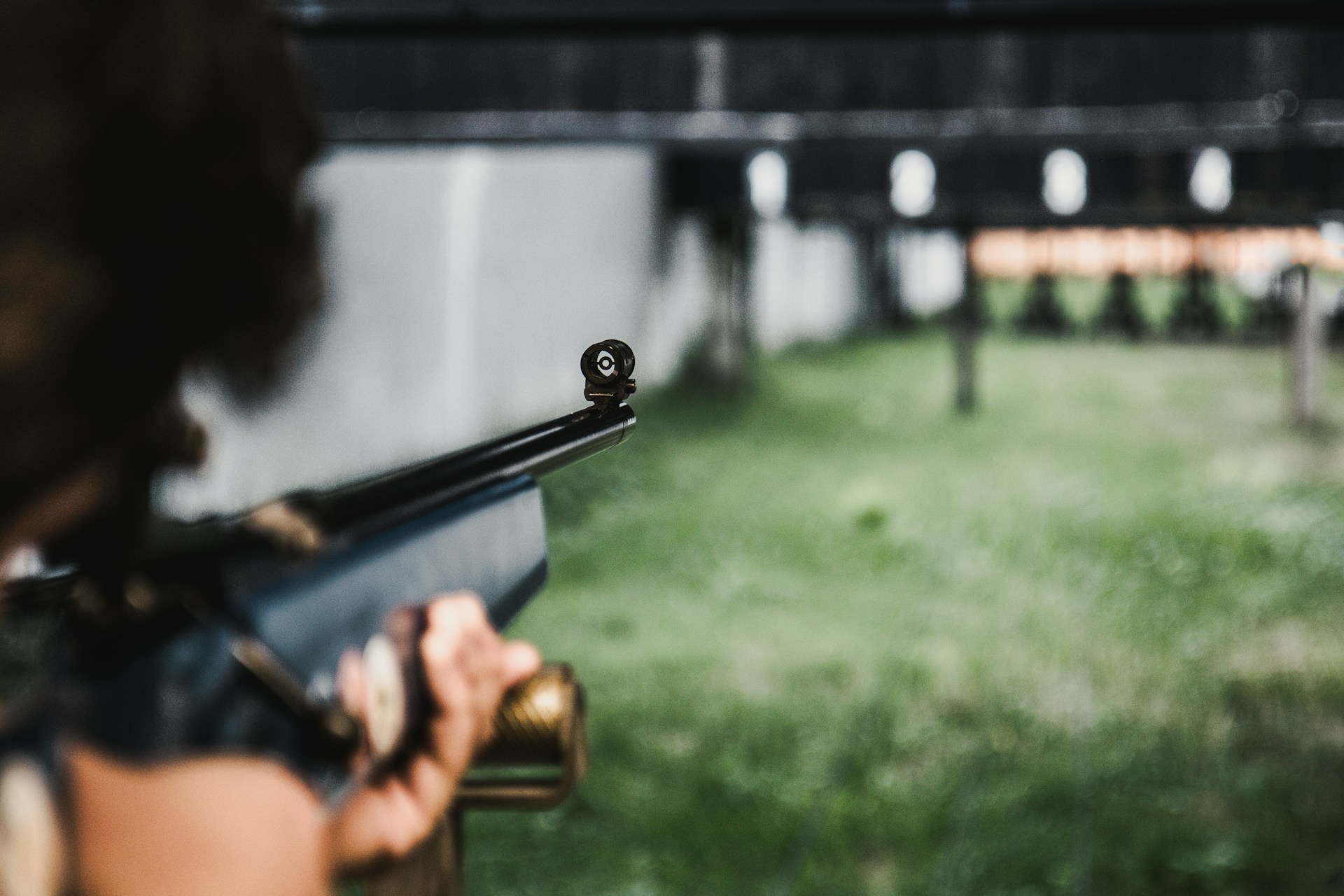
Shooting sports require more than steady hands. Whether someone practices recreational target shooting, competitive marksmanship, or general range training, physical control plays a major role. Good posture, shoulder stability, grip endurance, breathing control, and mobility all affect comfort and consistency.
That is why fitness for shooting sports should focus on stability rather than brute strength. You do not need to train like a powerlifter to stand safely, move confidently, and maintain better control. The goal is simple: build a body that stays balanced, calm, and coordinated under pressure.
Why Fitness Matters At The Range
At first glance, target shooting may not look physically demanding. The movement is controlled, the pace is measured, and most sessions involve more focus than speed. Still, small weaknesses become noticeable over time.
Poor shoulder endurance can affect stance. Weak core muscles can make posture collapse. Tight hips or ankles can reduce balance. Poor breathing habits can make the body tense at the exact moment it needs to stay calm.
Fitness helps by supporting repeatable movement. A stable body makes it easier to stay consistent. It also reduces fatigue, which matters during longer practice sessions.
Start With Posture And Core Stability
Good posture begins with the core. The core is not just the abs. It includes the muscles around the trunk, hips, lower back, and pelvis. These muscles help keep the body aligned.
Useful exercises include:
- planks;
- dead bugs;
- bird dogs;
- side planks;
- farmer’s carries;
- anti-rotation presses.
These movements train control rather than flashy strength. They help the body resist unwanted movement, which supports better balance and steadier positioning.
For recreational shooters who study different platforms, terms like AK Sporting Rifles may appear in research or historical discussions. Regardless of the equipment category, the physical fundamentals remain the same: posture, control, safety, and discipline come first.
Shoulder Stability Is Essential
The shoulders support extended positions, controlled movement, and safe handling. Weak or unstable shoulders may fatigue quickly, especially during repeated practice.
Good shoulder training should include both strength and mobility. Rows, band pull-aparts, face pulls, external rotations, and light overhead carries can all help build stability.
The goal is not to create stiff shoulders. It is to build shoulders that move well and stay controlled. Healthy shoulder mechanics also reduce strain in the neck and upper back.
Grip Strength Helps, But Do Not Overdo It
Grip strength matters, but excessive tension can create problems. A grip that is too tight may cause fatigue, shaking, and poor control. Training should build endurance without encouraging unnecessary stiffness.
Farmer’s carries, towel hangs, wrist curls, and controlled squeezing drills can help. However, they should be balanced with stretching and relaxation work.
Good grip training teaches the hands to stay strong without becoming rigid. That balance is useful in many activities, from gym training to recreational sports.
Breathing Control Connects Fitness And Focus
Breathing is one of the most underrated physical skills. When people feel pressure, they often hold their breath or breathe too quickly. That increases tension and reduces control.
Simple breathing drills can help:
- slow nasal breathing;
- box breathing;
- long exhale breathing;
- breathing during planks;
- breathing while walking with light weights.
The point is to stay calm while the body works. This skill carries over to many situations, including sports, stressful workdays, and range practice.
Mobility Keeps Movement Safe
Stiff joints can make stable positions harder to maintain. Hips, ankles, shoulders, and the upper back all play a role in balanced movement.
A simple mobility routine can include:
- hip flexor stretches;
- ankle rocks;
- thoracic rotations;
- shoulder wall slides;
- deep squat holds;
- hamstring stretches.
Mobility does not need to take an hour. Ten focused minutes before or after training can help the body move more freely.
A Simple Weekly Training Plan
A balanced routine might include three strength sessions per week. Each session can focus on full-body movement, core stability, and shoulder control.
Example structure:
- warm-up and mobility work;
- lower-body exercise such as squats or lunges;
- upper-body pull such as rows;
- upper-body push such as push-ups;
- core stability drill;
- loaded carry;
- breathing cooldown.
This kind of training supports general health as well as sport-specific control. It is practical, simple, and easy to adjust.
Safety Always Comes First
Fitness can improve control, but it never replaces proper instruction, safe handling, and range rules. Anyone involved in shooting sports should follow all local laws, use appropriate protective gear, and learn from qualified instructors.
Physical training supports responsibility. It does not shortcut it.
Conclusion
Fitness for shooting sports should focus on balance, posture, breathing, mobility, and steady control. A stronger, more stable body helps recreational shooters stay comfortable and consistent during practice.
The best training plan is not extreme. It is consistent, practical, and built around safe movement. When strength, mobility, and discipline work together, performance improves in a healthier and more responsible way.